C-Nex Ai@cnex.aiBrochure series
Meet C-NEX one: the product collection featured in the brochure. Explore the range and ask the team for details.
#CNEX#Chitosan#ProductRange
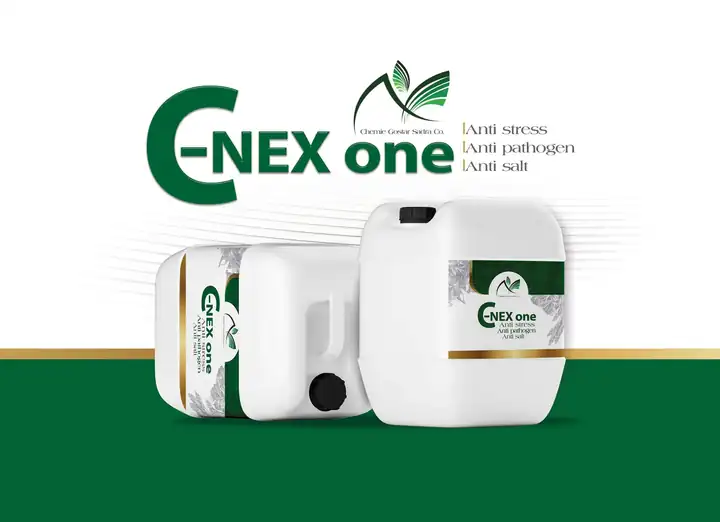
Meet C-NEX one: the product collection featured in the brochure. Explore the range and ask the team for details.
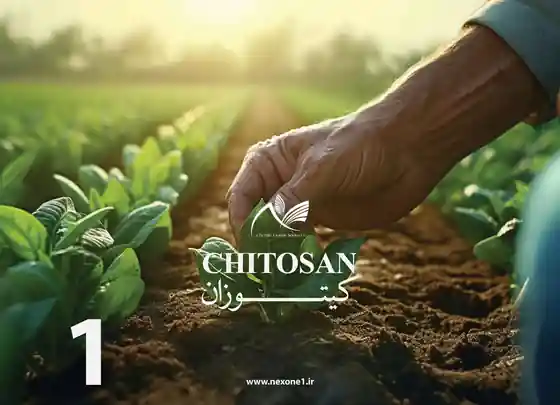
From vegetables to orchard crops: a visual introduction to the brochure’s agricultural focus.

What is chitosan? Start with the brochure’s introduction to this plant-care material.
Get to know Shimi Gostar Sadra through the company introduction in the supplied brochure.
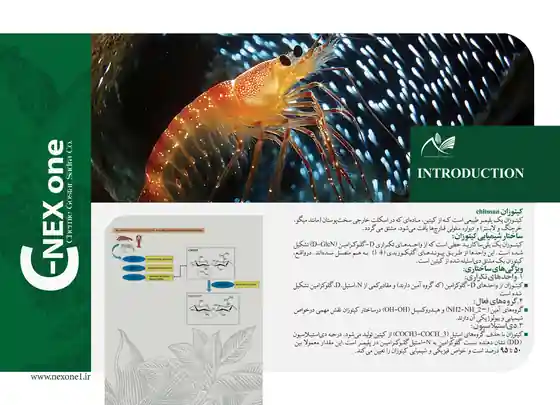
A closer look at chitosan’s origins and structure, illustrated in the brochure.
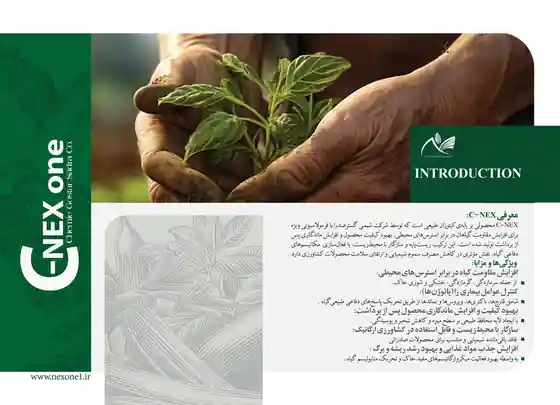
The C-NEX introduction connects chitosan with plant care. Explore the overview before the technical chapters.
Heat, cold and challenging growing conditions: explore the brochure’s environmental-stress chapter.

A young plant in the cold: the brochure introduces frost stress and plant responses.
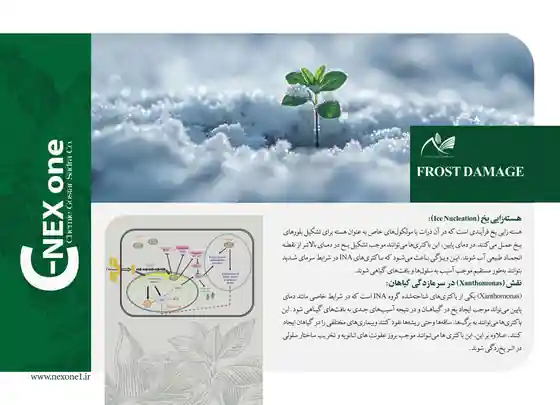
Explore the brochure’s discussion of chitosan and the pathways involved in plant cold responses.
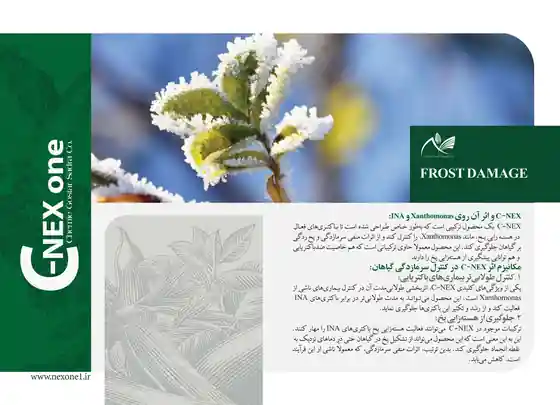
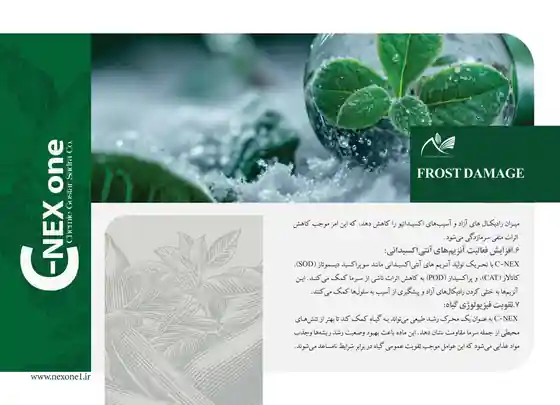
Frost can challenge plant tissues. This page explores cellular responses discussed in the cold-stress section.
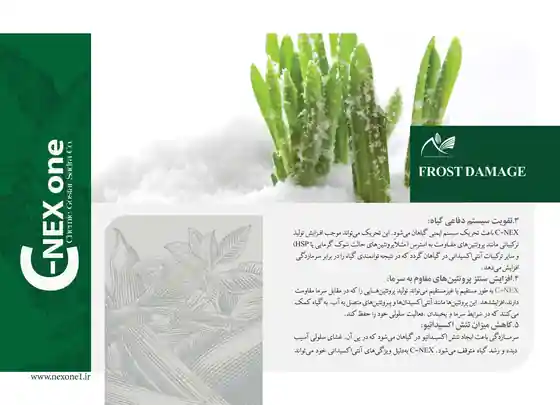
How do plants respond to cold-related oxidative stress? Explore the brochure’s antioxidant discussion.
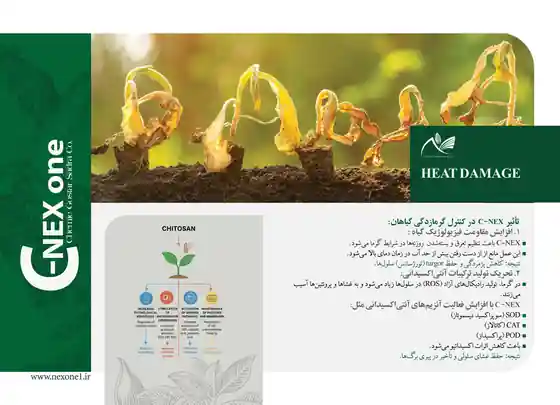
Wilting seedlings introduce the heat-stress section and its discussion of plant response mechanisms.
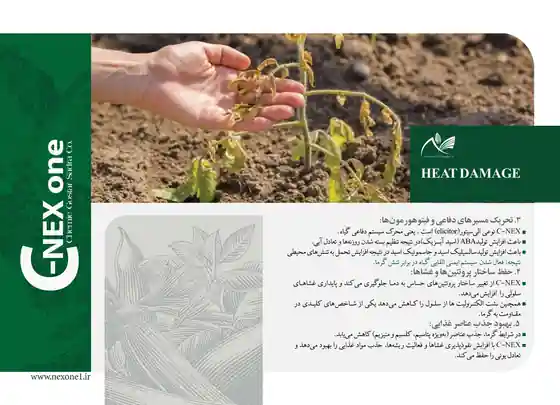
A closer look at the brochure’s heat-stress discussion, from protective responses to growth under pressure.
Saline conditions add pressure to plant growth. Explore the brochure’s introduction to salinity stress.
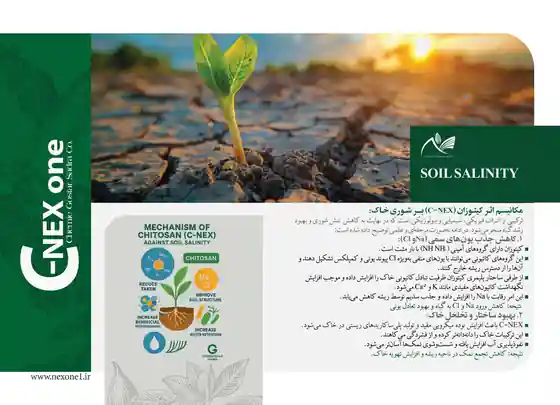
Healthy growth starts below the surface. This page continues the discussion of plant responses to salinity.
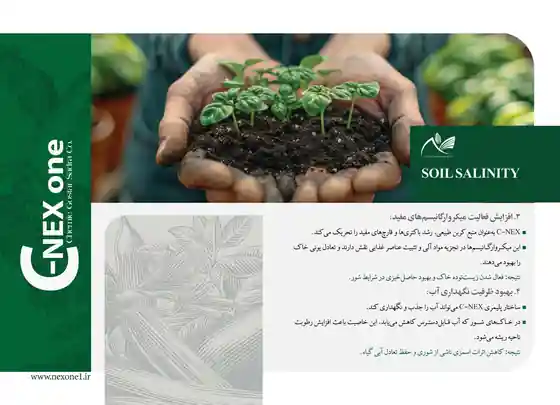
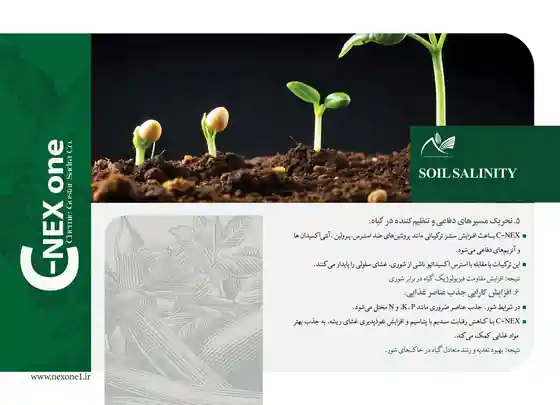
From germination to seedling growth: explore the processes highlighted in the salinity chapter.
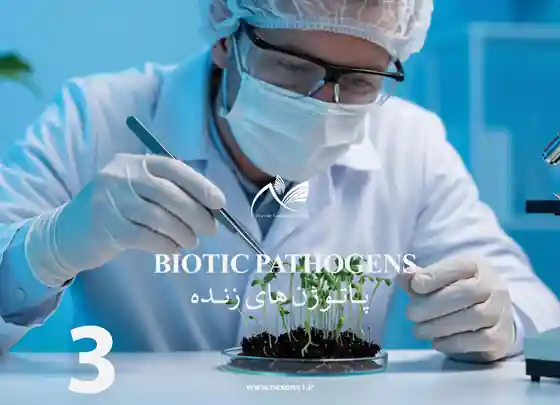
Enter the biotic-pathogen chapter: a visual introduction to the brochure’s plant-health research topics.
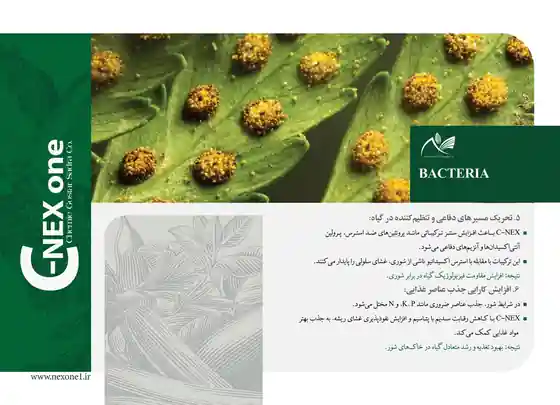
The brochure examines chitosan-related mechanisms in its section on bacterial plant pathogens.
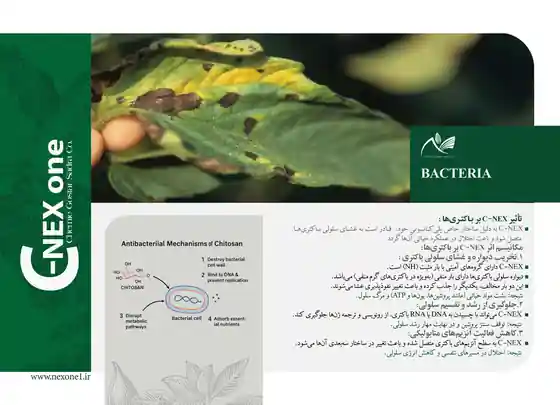
Explore the continuation of the bacterial-pathogen section and its discussion of plant defence.
The fungal-pathogen chapter introduces the mechanisms discussed around chitosan and plant health.
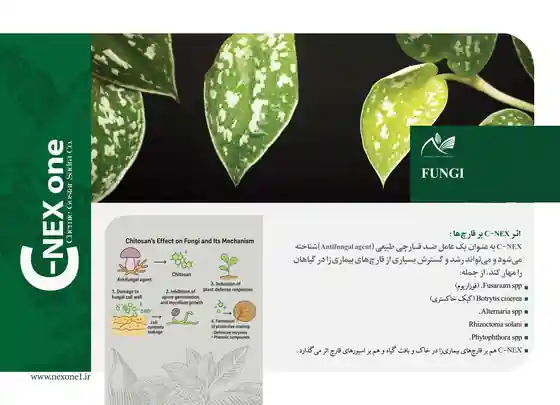
A closer look at the mechanisms described in the brochure’s fungal-pathogen section.
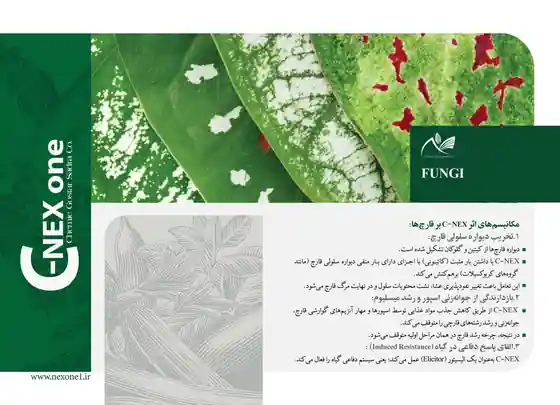
Continue the fungal-pathogen chapter with the brochure’s discussion of plant defence processes.
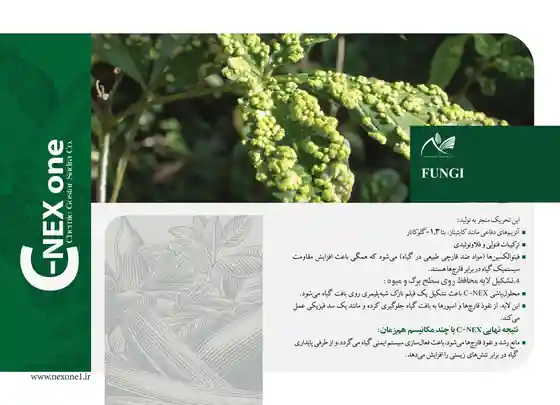
Explore the viral-pathogen section and its illustrated overview of chitosan-related mechanisms.
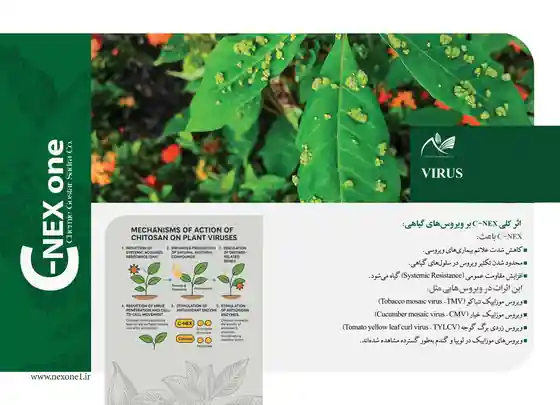
How are plant defence responses signalled? This page continues the brochure’s discussion of viral stress.
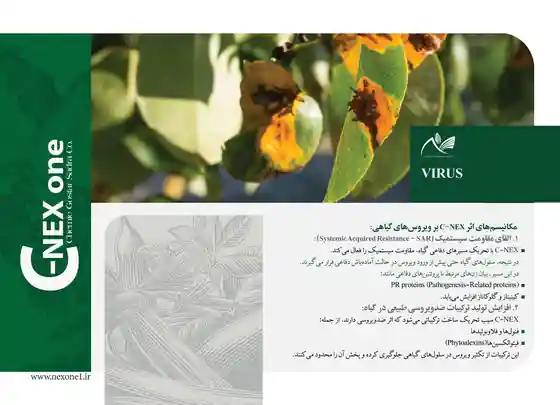
The viral-pathogen chapter connects plant stress with crop health and quality.

Explore the final page of the viral-pathogen section and its discussion of plant resistance.
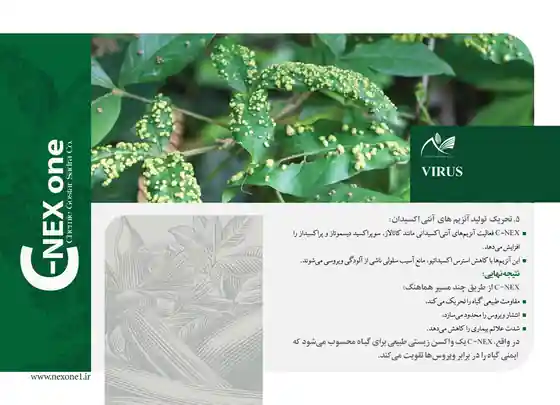
Root-knot imagery introduces the brochure’s nematode section and the challenges around root health.
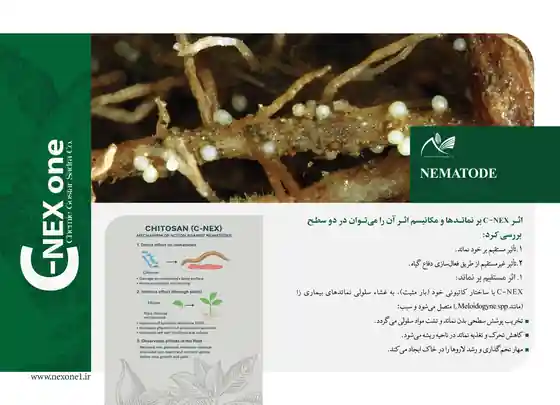
Take a closer look at nematodes and the mechanisms discussed in the brochure’s root-health section.

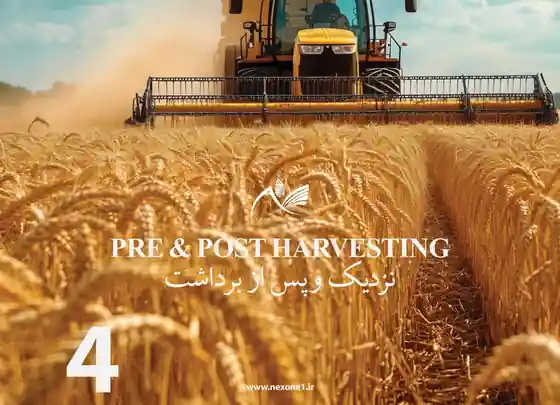
From the field to the supply chain: the brochure opens its pre- and post-harvest chapter.
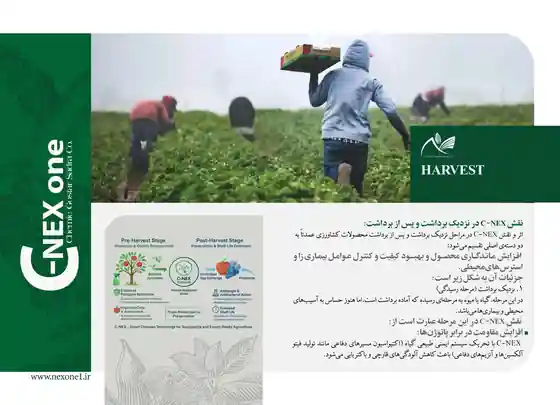
Harvest is a turning point for crop quality. Explore the brochure’s overview of chitosan at this stage.
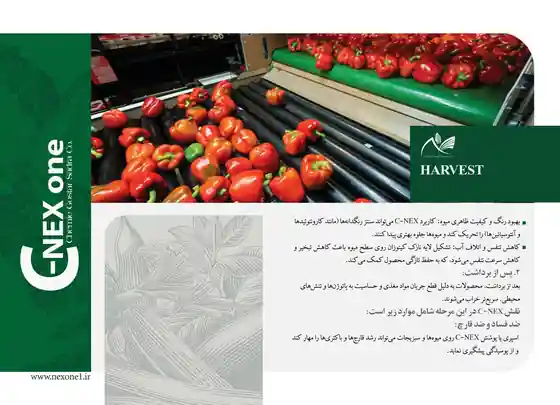
Follow the brochure’s discussion of produce handling and post-harvest quality.
The post-harvest section explores freshness, produce quality and chitosan-related applications.
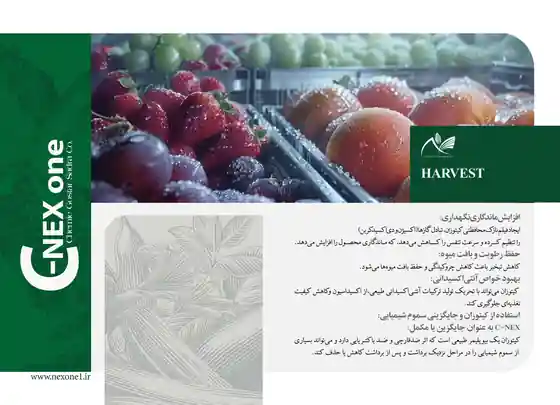
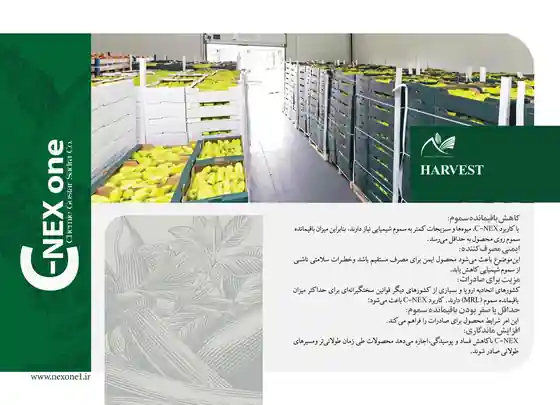
A packing-house perspective on the brochure’s discussion of storage and produce shelf life.
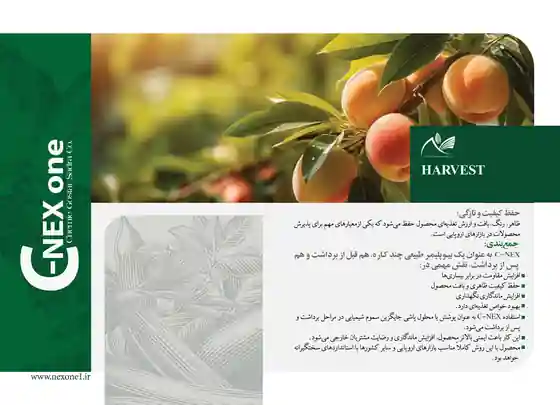
Orchard fruit closes the harvest chapter, bringing the focus back to crop quality.
Explore the environmental-pollutant chapter and its focus on plants in challenging surroundings.

The brochure introduces its discussion of environmental pollutants, including heavy metals.
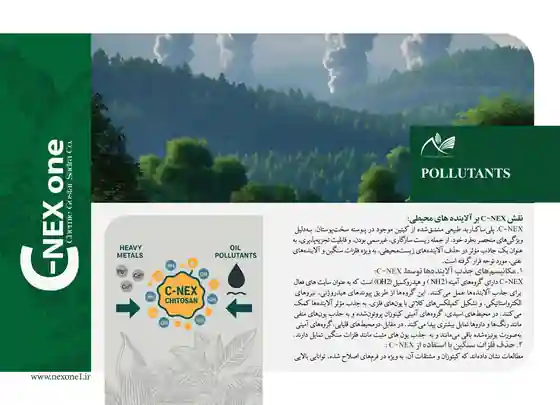
Continue the environmental chapter with the brochure’s discussion of plant exposure to pollutants.

The final technical page brings together plant stress and the environmental topics explored in the brochure.

A closing illustration celebrates the crops at the heart of the brochure. Which crop do you grow?

You’ve reached the brochure’s back cover. Visit the website or call the team to continue the conversation.

Chitosan coatings are earning a second look. Our two-season trial on table grapes cut post-harvest loss by roughly a third, and this time we published the whole thing: the application rates we used, the equipment notes, the weather log for every spray day, and the raw dataset behind the number. If you pack fruit, the protocol is short enough to run on a single block this season — and it costs less than the loss it prevents.
Field report: three seasons of cover cropping on the same twelve hectares. The change in soil structure is visible from the road now. Every species we tried is in the notes — including the two that failed and the season they took with them. That is the part most reports leave out, so we kept it in.
Morning in the northern belt. We walked the trial block at first light to catch the dew window — the difference between the treated strip and the control is easiest to see before the sun is up. Same hour, same exposure, no filters: this is what the field actually looked like on day 21.
Open question for the agronomists here: uneven protein levels across one block of wheat. Same seed, same irrigation, same sowing date, and still the eastern rows come in short. What would you check first — the organic-matter trend, tissue tests from last season, or the nitrogen timing on the last split?
Soil hands, three seasons apart. Cover crop roots did the work here, not a machine. Termination timing mattered more than the species mix.
Soil nitrogen is where we would start, not protein. Check the block's organic-matter trend and the last three tissue tests before changing anything — and pick one metric to watch for the whole season, otherwise nothing you do will be provable by harvest.
New lot is in. Our chitosan is derived from shellfish shell waste and formulated for both foliar and root application — with the laboratory analysis published for every batch.
You are all caught up for now.